Point: The Adorable Color Font That Makes Designs Pop
If you've ever stared at a blank canvas feeling like your design needs a spark of personality, you're not alone. We all reach that moment where the standard sans serif or serif font just isn't cutting it. Enter Point, a lovely and cute color font that brings a fresh, vibrant energy to any project. It's not just another typeface—it's a design asset that can genuinely transform how your work feels and communicates.
What Makes Point Stand Out in a Crowded Font Library
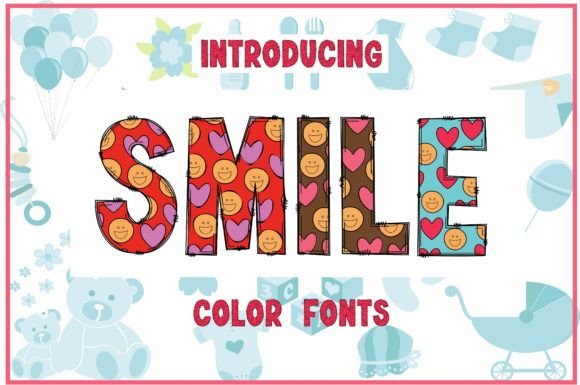
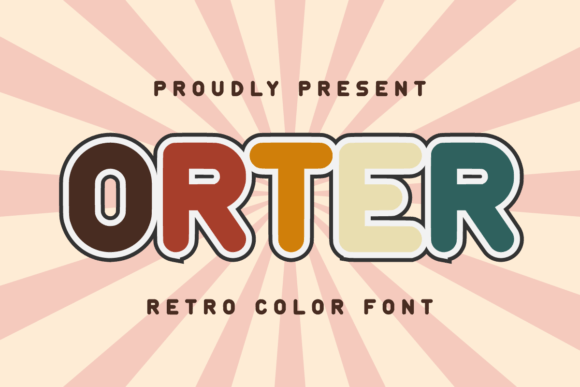
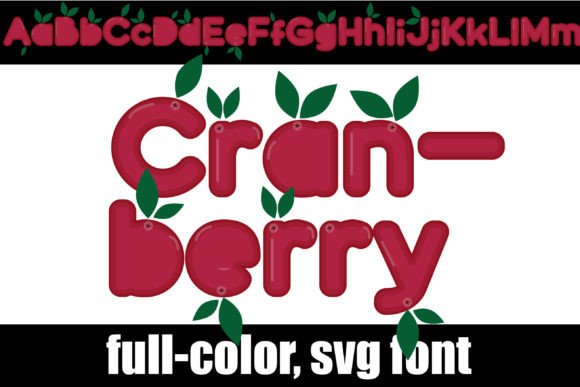
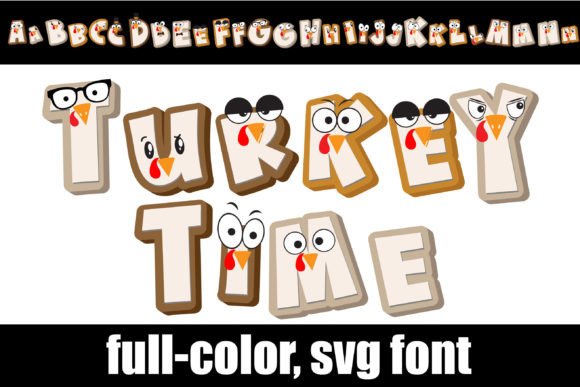
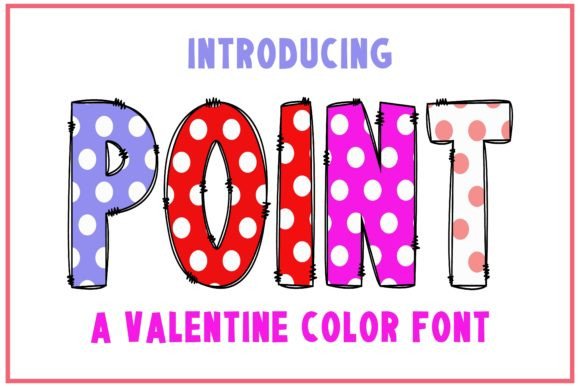
Point is a color font built on the OpenType-SVG format, which means each character carries its own color data right inside the glyph. The result? Beautiful, well-balanced letterforms that look hand-painted or digitally illustrated without any extra effort on your part. The characters have a rounded, friendly quality with just enough quirk to feel approachable. Think of it as the typographic equivalent of a warm smile—inviting, memorable, and impossible to ignore.
What strikes me most about Point is how versatile it manages to be despite its playful personality. The letter spacing feels intentional, the weight distribution across characters is consistent, and the overall rhythm of the typeface holds together even at different sizes. This isn't a novelty font you'd use once and forget. It's a premium font that earns its place in your regular rotation.
Where Point Truly Shines: Real Applications for Real Projects
Let's talk about where this creative font actually works in practice. I've seen designers use color fonts like Point in ways that genuinely surprised me—and in every case, the font elevated the final product.
Branding and Logo Design
For small businesses, boutiques, bakeries, children's brands, or lifestyle blogs, Point offers an instant personality injection. A logo set in Point communicates warmth and approachability without sacrificing professionalism. It's particularly effective for brands that want to feel handmade but polished. If your brand identity leans toward playful, youthful, or artisanal, this typeface does heavy lifting that a standard logo design font simply can't match.
Packaging Design
Product labels, box graphics, hang tags—these are spaces where color fonts genuinely excel. Imagine a craft coffee bag or a scented candle label using Point for the product name. The built-in color adds visual depth that would normally require additional design layers, saving you production time while creating a more striking shelf presence.
Social Media Graphics
Here's where Point practically sells itself. Instagram stories, Pinterest pins, Facebook headers, YouTube thumbnails—these platforms thrive on visual punch. A color font grabs attention in crowded feeds far more effectively than monochrome text. Point's adorable character shapes make it perfect for announcements, quotes, sale graphics, and engagement-driven content. The font does the heavy design work so you can focus on your message.
Editorial and Publishing
Blog headers, magazine pull quotes, book covers, and chapter titles all benefit from a display font with personality. Point works beautifully as an accent typeface paired with a clean sans serif for body text. This kind of font pairing creates visual hierarchy naturally—your headlines demand attention while your paragraphs remain easy to read.
Crafting and Personal Projects
For hobbyists working in Silhouette or Illustrator, Point opens up creative possibilities for greeting cards, party invitations, wall art, stickers, and custom apparel. The color element means less layering and fewer production steps, which matters when you're working on handmade goods or small-batch projects.
How Point Influences the Way People Experience Your Work
Typography shapes perception in ways most people never consciously notice. When someone encounters Point in your design, several things happen simultaneously. The rounded, colorful letterforms signal friendliness and creativity. The visual weight and rhythm create a focal point that guides the viewer's eye. And the distinctiveness of the character shapes builds recognition—people remember how your text looked, not just what it said.
This matters enormously for brand perception. A consistent use of a distinctive typeface like Point across your touchpoints—website banners, email headers, packaging, social posts—creates a thread of visual identity that audiences learn to associate with you. Over time, that recognition compounds into trust.
Readability deserves honest attention here, though. Point is a display font, which means it's engineered for impact at larger sizes rather than extended reading. Use it for headlines, titles, short phrases, and callouts. Pair it with a legible serif font or sans serif font for body copy. This contrast actually strengthens your design by creating clear visual hierarchy—the eye knows exactly where to land first and where to go next.
Practical Guidance for Working with Point
Before you commit Point to a project, here are some grounded recommendations based on real-world use.
- Test at your actual output size. Color fonts render differently across screen and print. What looks perfect in Illustrator at 200px might feel crowded on a mobile screen or too fine on textured paper. Always preview at the size your audience will actually see.
- Evaluate project fit honestly. Point works brilliantly for playful, approachable, creative contexts. It's less suited for corporate reports, legal documents, or ultra-minimalist design systems. Matching font personality to project tone is half the design battle.
- Explore font pairings deliberately. Try Point alongside a geometric sans serif like Montserrat or a soft serif like Lora. The contrast between a colorful display font and a restrained text typeface creates professional polish. Avoid pairing it with other decorative fonts—that path leads to visual chaos.
- Review the included styles carefully. Understand what characters, alternates, and glyphs come with your download. Knowing your full toolkit prevents mid-project surprises and helps you use the font to its fullest potential.
- Check compatibility before purchasing. Point is an OpenType-SVG color font compatible with PhotoShop, Illustrator, Silhouette, and Inkscape. The OTF and TTF files are not compatible with Cricut. If you're a Cricut user, verify your software supports color fonts before investing. The Ultimate Font Guide covers this in detail and is worth reviewing.
- Understand commercial licensing. If you're using Point for client work, merchandise, or products you sell, confirm the license covers your intended use. Most premium font licenses distinguish between personal and commercial applications—know where yours falls.
Bringing It All Together
Point isn't trying to be everything. It's a lovely, well-crafted color font designed to make specific types of work shine. Whether you're building a brand identity, designing social media graphics, creating packaging, or crafting handmade goods, it brings a warmth and visual richness that monochrome typefaces struggle to achieve on their own.
The best design choices are the ones that feel inevitable in hindsight—the font that makes you wonder how the project ever looked right without it. Give Point that chance. Drop it into your next creative idea and see what happens when typography does more than just sit on the page. When modern typography meets genuine personality, your audience feels the difference immediately. And that feeling is what turns casual viewers into loyal followers.