Cranberry: The Color Font for Cozy Autumn Designs
There’s a certain feeling you get when autumn arrives. It’s in the crisp air, the warm light, and the rich, earthy palette of the season. For designers and creators, capturing that feeling in a project can be a challenge. You need the right imagery, the right colors, and crucially, the right typography. This is where a typeface like Cranberry comes in. It’s more than just a set of letters; it’s a creative font designed to evoke a specific, cozy mood. As a premium font in the display font category, it offers a unique visual texture that standard fonts simply can't replicate.
Understanding the Cranberry Typeface: More Than Just a Font
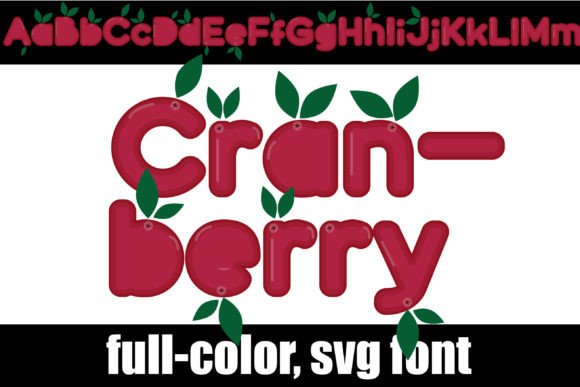
At its core, Cranberry is a full-color font, a specific category of modern typography built using OpenType-SVG technology. This means the font file itself contains color information, allowing each letter to appear as a detailed, textured illustration rather than a simple, single-color glyph. The visual style is immediately apparent: each character is rendered to look like cranberry lettering, complete with subtle variations in hue and texture. Interspersed within the character set are occasional decorative leaves, adding an organic, handcrafted feel.
The personality of this typeface is warm, rustic, and inviting. It leans into a handwritten font aesthetic but with the consistency and scalability needed for professional projects. One of its most practical features is the inclusion of an alternate case for each letter. These aren't dramatic redesigns but rather small, nuanced differences in the texture or placement of the cranberry elements. This allows for a more natural, less repetitive look in headlines or logos, which is a subtle but powerful tool for any designer focused on quality.
Practical Applications: Where Cranberry Truly Shines
Knowing what a font is and knowing where to use it are two different things. The true value of a design asset like Cranberry is measured by its application. Its strong thematic personality makes it a specialist, not a generalist. It’s the kind of creative font you reach for when a project calls for a specific emotional response.
- Branding and Logo Design: For businesses that align with autumn, harvest, wellness, artisanal food, or cozy living, Cranberry can be a cornerstone of their brand identity. Imagine it on the logo for a local coffee shop, a seasonal candle brand, or a farm-to-table restaurant. It communicates warmth and authenticity instantly.
- Editorial and Packaging Design: In editorial design, it’s perfect for feature headlines in a lifestyle magazine or a blog post about fall recipes. For packaging design, think of product labels for jams, sauces, or holiday gift sets. The full-color nature makes the text itself a piece of the visual appeal.
- Digital and Social Media: In the realm of web design, it can be used sparingly for hero section headings or promotional banners to grab attention. It’s particularly effective for social media graphics—Instagram posts, Pinterest pins, or Facebook headers for seasonal sales or event announcements will stand out in a crowded feed.
- Personal and Craft Projects: For hobbyists and crafters, the applications are nearly endless. Think of custom wedding invitations for an autumn ceremony, personalized gift tags, scrapbook elements, or printable wall art for your home. Its ease of use in programs like Silhouette and Inkscape makes it accessible for a wide range of DIY projects.
Working With a Display Font: Strategy and Considerations
Using a powerful display font like Cranberry effectively requires a bit of strategy. Its ornate, textured nature means it’s not suited for body text. Readability over long paragraphs would be low. Instead, think of it as a headline or accent font. Its primary job is to attract the eye, set a mood, and then hand off to a more neutral typeface for supporting information.
Font Pairing is Key
A successful font pairing is about contrast and balance. Because Cranberry has a strong personality, pair it with something simple and clean. A classic serif font like Georgia or a modern sans serif font like Montserrat or Lato can provide excellent readability for subheadings or body copy. This contrast creates a clear visual hierarchy, guiding the reader’s eye from the impactful headline to the detailed information below.
Testing and Commercial Use
Before committing to a font for a client project, always test it thoroughly. Place it in your design mockups to see how it interacts with your color scheme and imagery. Review the alternate characters and decorative leaves to see how they can enhance your layout. It’s also critical to understand the licensing. As a commercial font, Cranberry will come with specific terms regarding its use in projects for sale, on websites, or in client work. Always review the license provided to ensure your intended use is covered.
A Note on Compatibility
As a full-color OpenType-SVG font, compatibility is a specific consideration. It works seamlessly in professional design software like Adobe Photoshop, Illustrator, and Affinity Designer, as well as in programs like Silhouette Studio and Inkscape. However, it’s important to note that this technology is not supported by all cutting machines or older software. For instance, it is not compatible with Cricut Design Space. If your project workflow involves such tools, this is a crucial factor in your decision-making process. Always check the technical specifications to ensure the design assets you choose fit your tools.
Ultimately, Cranberry is a tool for storytelling. It doesn’t just spell out words; it conveys a season, a feeling, and a level of care in design. Used thoughtfully, it can elevate a simple project into something memorable and engaging, making it a valuable addition to any creative professional’s font library for the right project. For a deeper dive into working with advanced font formats, exploring a comprehensive font guide