Canopy: The Color Font for Fresh, Modern Branding
There are typefaces that get the job done, and then there are typefaces that make a statement. Canopy belongs firmly in the latter category. As a premium font, it is designed not just to be read, but to be experienced. Its graceful, fluid letterforms and built-in color palette offer a distinct visual personality that can instantly elevate a design. If you're looking for a creative font that breaks away from the monochrome standard, Canopy presents a compelling option. This isn't just another script font; it's a modern typography tool engineered for impact.
Understanding Canopy's Unique Personality
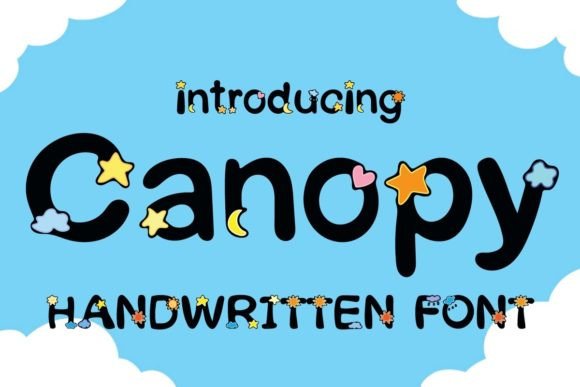
At its heart, Canopy is a display font, meaning it's crafted for headlines, logos, and prominent text rather than long-form body copy. Its style sits at a fascinating intersection. It carries the elegance of a script font with its flowing connections, yet its letterforms feel clean and contemporary, avoiding the overly ornate or casual feel of a traditional handwritten font. The defining feature, however, is its nature as a color font (or bitmap font). Each character is rendered with multiple colors and subtle gradients, creating a three-dimensional, textured appearance that standard vector fonts cannot achieve. This gives projects an immediate sense of depth and sophistication.
Where Canopy Truly Shines
The practical applications for a font like Canopy are specific but powerful. Its primary strength lies in projects where a single, impactful word or short phrase needs to carry significant visual weight. Consider its use in logo design for a boutique brand, a lifestyle blog, or a creative studio. The built-in color and texture can become the cornerstone of the entire brand identity, conveying a message of freshness and style without needing complex illustration.
In editorial design, Canopy can transform a magazine cover or a chapter title. It brings a level of visual interest to packaging design, especially for cosmetics, gourmet foods, or artisanal products, where the packaging itself is a key part of the marketing. For digital creators, it's a standout choice for hero images on websites, impactful social media graphics, and YouTube thumbnails. The font's personality ensures it captures attention in a crowded feed. Even in print, it can make invitations, greeting cards, and event posters feel exceptionally polished and memorable.
Making Canopy Work for Your Project
Choosing a creative font like Canopy requires a thoughtful approach. Its strength is its distinctiveness, which also means it isn't a universal solution. The first step is evaluating project fit. Ask yourself: does my project call for a decorative, high-impact headline? If the answer is yes, Canopy is worth exploring. If you need a font for extensive body text, you'll need to look elsewhere—perhaps pairing it with a clean sans serif font or a highly legible serif font.
Practical Considerations for Designers and Creators
One of the most critical aspects of working with Canopy is its compatibility. As a color font, it is only supported by specific, newer versions of major design software: Adobe Photoshop CC 2017+, Illustrator CC 2018+, and InDesign CC 2019+. It also works within macOS applications like FontBook, Pages, and Keynote. It is not compatible with Cricut Design Space. This is a non-negotiable technical requirement, so verifying your software version is the very first step before you consider this font.
When testing font pairings, the goal is balance. Let Canopy be the star. Pair it with a simple, geometric sans serif font for supporting text to create a clean, modern hierarchy. Alternatively, a classic, understated serif font can provide a beautiful contrast, blending modern flair with traditional refinement. Always test your pairings in context to ensure the supporting type doesn't compete for attention.
Evaluating Readability and Licensing
Because of its decorative nature, readability is context-dependent. At large sizes for headlines, Canopy is clear and engaging. At smaller sizes, its intricate details and color shifts may reduce legibility, so use it judiciously. Always view the font at the intended size on screen and in print if possible.
For any commercial project, understanding the licensing is essential. As a commercial font, Canopy comes with a specific license that dictates how it can be used. Whether you're using it for a client's brand identity, merchandise, or a digital product, ensure the license covers your intended use. Review the terms provided by the font foundry or marketplace to avoid any issues down the line. This is a standard part of professional practice when using any design assets.
In the end, Canopy is more than just a set of colored letters. It's a specialized tool for designers, marketers, and creators who want to inject a project with a defined sense of style and modernity. Used thoughtfully, it can become the defining visual element that makes your work feel fresh, refined, and instantly recognizable.