Area Rug: A Color Font for Cozy, Modern Designs
More Than Just a Typeface
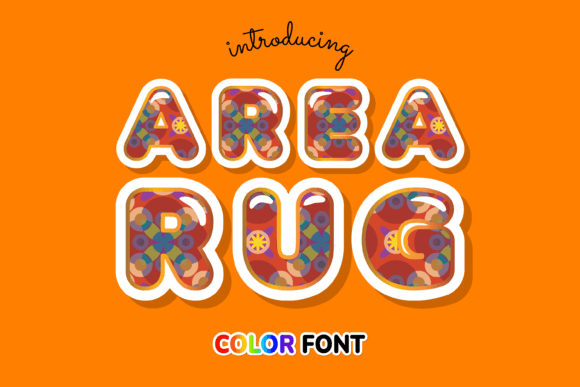
Finding a creative font that feels both modern and inviting can be a challenge. Area Rug steps into that space with a unique visual character. It’s a color font, meaning it arrives with built-in color and texture, giving your text a finished, decorative look right out of the box. Think of it as a display font that carries the warmth of a handcrafted item. Its letterforms have a soft, slightly textured quality, reminiscent of woven fibers or plush pile, which makes it feel approachable and tactile even on a flat screen.
This isn't a font for body copy. Its personality shines in headlines, logos, and short, impactful statements. The visual style blends elements of a modern typography sensibility with a touch of rustic charm. It avoids the starkness of a geometric sans serif font and the formality of a classic serif font. Instead, it occupies a middle ground—stylish enough for contemporary branding, yet friendly enough for a small business’s packaging or a blogger’s featured image. The overall appeal lies in its ability to add depth and a handmade feel without looking amateurish.
Where This Premium Font Finds Its Home
The strength of Area Rug lies in its versatility across projects that need a touch of character. For logo design, it can instantly communicate a brand’s values of comfort, craftsmanship, or artisanal quality. Imagine it used for a boutique hotel, a coffee roastery, a cozy bookstore, or a handmade goods shop. The font does the heavy lifting of setting a specific mood.
In editorial design and packaging design, it works beautifully for chapter titles, section headers, or product names. On a book cover or a product label, it draws the eye and establishes a tone. For digital applications, it’s a standout choice for social media graphics, website hero sections, and email newsletter banners. Its built-in color ensures it pops on both light and dark backgrounds, though testing is always wise. For crafters using compatible software, it translates well into custom designs for apparel, mugs, and posters.
However, its most natural habitat is in projects targeting audiences who appreciate authenticity and warmth. This includes brands in the lifestyle, wellness, home decor, food, and creative services sectors. It speaks directly to consumers who value story and substance over sterile minimalism.
Shaping Perception and Engagement
A font choice is a silent ambassador for your message. Area Rug influences brand perception by suggesting a down-to-earth, creative, and thoughtful identity. It can make a brand feel more human and less corporate. This directly impacts audience engagement; people are often drawn to visuals that feel genuine and relatable.
Using this typeface contributes to visual hierarchy by creating clear, engaging focal points. A headline set in Area Rug will naturally sit at the top of the visual chain, guiding the reader’s eye through your layout. For brand identity and consistency, using it across specific touchpoints—like all secondary headlines or campaign-specific graphics—can build a recognizable visual thread without overwhelming the entire system.
Its textured, colored nature means readability must be considered carefully. It’s not suited for small text or long paragraphs. Pair it thoughtfully with a clean, neutral sans serif font or a simple serif font for body text. This font pairing creates a balanced dialogue between personality and legibility, ensuring your content is both beautiful and functional.
Practical Guidance for Implementation
Before committing, evaluate if Area Rug fits your project’s core needs. Ask yourself: Does the brand or project’s personality align with warmth, texture, and a crafted feel? Will the font be used at a size where its details are clear? Is the color palette of the font compatible with your overall design scheme?
Always test the font with your actual content. Seeing your own headlines or brand name in the typeface is more telling than viewing a specimen sheet. Experiment with font pairings early in the design process. Try it alongside a simple script font for a more whimsical feel, or a bold, clean sans serif font for a more structured contrast.
Review the included styles and glyphs. A good premium font often comes with alternates, ligatures, or extended language support that can add unique flair to your designs. Check the character set for anything you might need.
Crucially, understand the licensing. Since this is a commercial font, ensure the license covers your intended use, whether for a client’s logo design, merchandise for sale, or digital products. The note about compatibility is vital: as an OpenType-SVG color font, it works in specific applications like Photoshop, Illustrator, Silhouette, and Inkscape. It is not compatible with Cricut’s basic software or many standard text editors. Always verify compatibility with your tools before purchasing.
Ultimately, Area Rug is a specialized design asset. It’s not a workhorse for every situation, but when used in the right context, it becomes a powerful tool for creating designs that feel inviting, memorable, and authentically crafted.