Colorblind: A Trendy Color Font to Brighten Designs
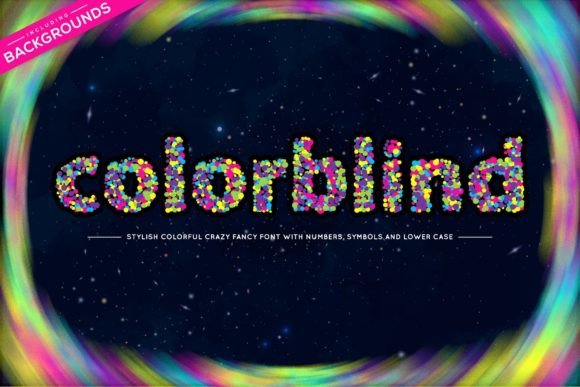
There is a distinct shift happening in modern typography. We are moving away from flat, static text toward typefaces that act as standalone illustrations. If you have been searching for a way to inject immediate energy into your projects without complex layering techniques, the Colorblind typeface is a game-changer. It is not just a set of letters; it is a vibrant design asset that brings built-in color and texture to the table. As a creative professional, I often look for tools that save time while elevating the visual hierarchy of a design. Colorblind does exactly that, offering a trendy, fancy aesthetic that feels both current and playful.
Understanding the Color Font Revolution
To appreciate what Colorblind brings to your workflow, you have to understand the technology behind it. This is an OpenType-SVG font. In the past, if you wanted text that looked like it was painted with watercolors or had a complex gradient, you had to type your text, rasterize it, apply masks, and blend colors manually. It was tedious. OpenType-SVG technology embeds the actual color data directly into the font file. When you type a letter, you are essentially placing a high-quality image or vector graphic that retains all its original color and texture details.
Colorblind leverages this technology to deliver a premium font experience. It captures the nuance of hand-painted strokes or digital color fills that a standard OTF or TTF file simply cannot render. The personality of this typeface is undeniably bold. It commands attention. It is perfect for projects where the text needs to do more than just convey information—it needs to evoke a feeling. Whether you are designing a logo for a youthful startup or creating merchandise for a boutique shop, this typeface brings a level of polish that usually requires advanced design skills.
Practical Applications for Designers and Entrepreneurs
The versatility of a color font like Colorblind is one of its strongest assets. Because it functions as a visual element as much as a typographic one, it fits seamlessly into a variety of creative fields. Here is where I have seen this style of typeface work best:
- Social Media Graphics: In the fast-scrolling environment of Instagram or TikTok, you have milliseconds to grab attention. Colorblind acts as an immediate focal point. It eliminates the need for busy backgrounds, allowing you to place text over a simple solid color or a subtle texture and still have a post that pops.
- Packaging Design: For small business owners creating labels for cosmetics, snacks, or lifestyle goods, this font offers a high-end look. It mimics the aesthetic of foil stamping or screen printing, adding perceived value to your product before the customer even opens it.
- Editorial Design: While you wouldn't use this for body text, it makes for stunning pull quotes or magazine headlines. It breaks up the monotony of standard serif or sans-serif layouts, adding a modern typography element that guides the reader’s eye.
- Logo Design and Brand Identity: If your brand personality is fun, creative, or avant-garde, Colorblind can anchor your visual identity. It is particularly effective for businesses in the creative industry, event planning, or children’s products.
Font Pairing and Design Strategy
Because Colorblind is inherently busy and detailed, it requires a thoughtful approach to font pairing. You cannot simply throw it next to another decorative typeface. The rule of contrast applies here more than anywhere else.
I recommend pairing Colorblind with a clean, geometric sans serif font for your body copy. Think of fonts like Montserrat, Lato, or Open Sans. The simplicity of the sans-serif acts as a visual "breather," allowing the colorful details of Colorblind to shine without overwhelming the viewer. If your brand leans more toward elegance, a simple serif font with high legibility can also work, provided the serif doesn't have too much flair.
Avoid using script fonts or handwritten fonts alongside Colorblind. Both styles compete for attention, resulting in a cluttered design that lacks a clear visual hierarchy. The goal is to let Colorblind be the star of the show while supporting text provides the necessary context.
Technical Compatibility and Workflow
Before you integrate this asset into your next project, it is crucial to understand the technical requirements to ensure a smooth workflow. Colorblind is designed for professional-grade desktop software. It is fully compatible with Adobe Photoshop, Adobe Illustrator, Silhouette Studio, and Inkscape.
These programs support the advanced OpenType features required to render the color data. When you install the font, it behaves like any other typeface, but the output is rich and colorful.
A Critical Note on Cutting Machines:
There is a common misconception regarding cutting machines like Cricut. Because Cricut Design Space does not support color fonts natively, the standard OTF and TTF files included with Colorblind will not render the colors in that software. They will appear as standard black or monochrome vectors. If you are a crafter using a Silhouette, you are in luck, as the software handles these files well. However, for Cricut users, you would need to design in Photoshop or Illustrator, flatten your image, and upload it as a Print-Then-Cut file to retain the color integrity.
Evaluating Readability and Project Fit
As a designer, I always advise clients to prioritize readability. While Colorblind is a trendy font, it is best categorized as a display font. This means it is intended for short bursts of text—headlines, logos, and call-to-action buttons.
Do not use this typeface for long paragraphs or detailed instructions. The intricate color details that make it beautiful can make it difficult to read at small sizes or in large blocks. When evaluating if this font fits your project, ask yourself: "Is the primary goal of this text to be read quickly, or to be looked at?" If the answer is "looked at," Colorblind is likely the perfect choice.
Furthermore, consider your commercial licensing needs. If you are creating physical products like t-shirts or mugs to sell, or digital assets for clients, ensure your license covers commercial use. This type of creative font is an investment in your brand identity, and respecting the licensing terms ensures you can use it safely across all your design assets.
Ultimately, Colorblind is more than just a typeface; it is a mood setter. It bridges the gap between typography and illustration, allowing creators to produce professional, eye-catching work with significantly less effort. Whether you are refreshing a website or launching a new product line, this font offers a direct line to modern, colorful design.