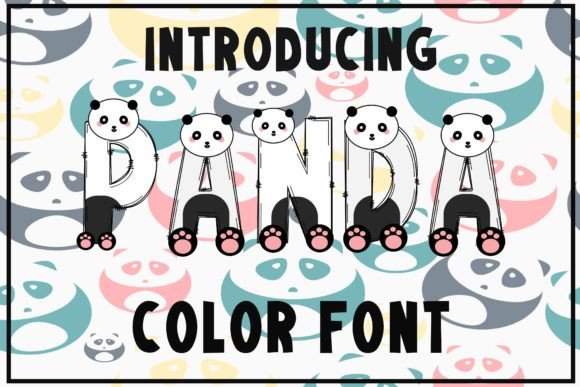
Panda: A Cute and Fun Color Font for Modern Design
Finding a typeface that genuinely makes you smile while still doing serious work is a rare thing. Panda is that kind of discovery. It's a premium font designed with personality at its core—a color font that brings warmth, playfulness, and a handcrafted feel to any project it touches. Whether you're building a brand from scratch or refreshing an existing one, Panda offers something most typefaces don't: an immediate emotional connection.
What Makes Panda Stand Out
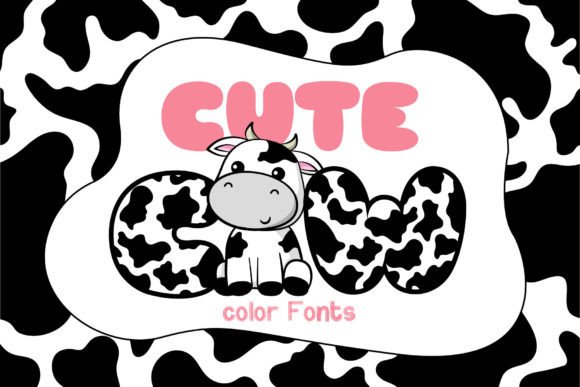
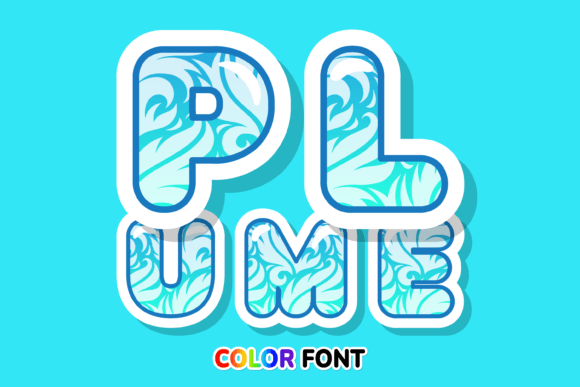
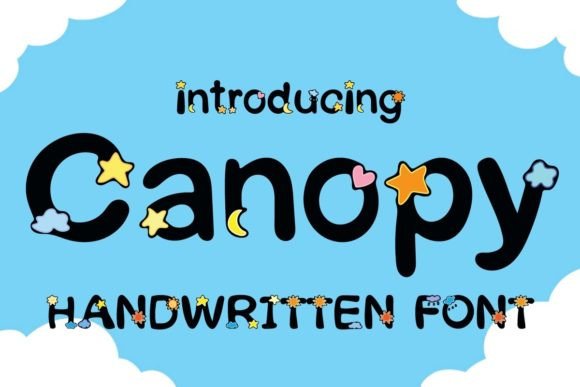
Panda isn't just another display font. Its visual character sits somewhere between a handwritten font and a modern script font, with rounded letterforms, gentle curves, and a rhythm that feels approachable without being childish. The color aspect adds another layer—each letter carries subtle gradients and tonal shifts that give it depth and dimension, almost like it was painted by hand rather than typed on a keyboard.
What strikes me most about Panda is its versatility within its own personality. It can feel playful and whimsical in one context, then surprisingly sophisticated in another. The letter spacing is generous enough to breathe on its own, and the weight distribution across characters feels balanced and intentional. This isn't a font that tries to be everything—it knows exactly what it is, and that confidence shows.
Where Panda Shines Across Creative Projects
After working with dozens of creative fonts over the years, I've learned that the best ones aren't necessarily the most versatile—they're the ones that know their lane and excel in it. Panda finds its sweet spot in projects where personality and warmth matter more than corporate formality.
Branding and Logo Design
For logo design, Panda works beautifully for brands that want to communicate friendliness, creativity, and approachability. Think artisan bakeries, children's clothing lines, boutique studios, wellness brands, or any business that wants its brand identity to feel human and inviting. The color font element means your logo can carry visual interest even in a single wordmark, reducing the need for additional graphic elements.
Digital and Social Media
On social media graphics, Panda absolutely thrives. Instagram stories, Pinterest pins, YouTube thumbnails, and Facebook headers all benefit from typefaces that stop the scroll. The visual texture of a color font like Panda creates instant eye-catching appeal, especially when paired with clean photography or simple backgrounds. For web design, it works best as an accent—think hero sections, call-to-action buttons, or featured quotes rather than body text.
Publishing and Editorial Work
In editorial design, Panda can elevate magazine covers, chapter headings, pull quotes, and feature spreads. It brings a tactile, almost illustrative quality to publishing projects that standard serif or sans serif fonts simply can't replicate. For bloggers and content creators designing lead magnets, eBooks, or course materials, Panda adds that polished-but-personal touch that makes readers feel like they're holding something crafted with care.
Packaging and Print
Packaging design is another natural home for Panda. Product labels, gift tags, stickers, thank-you cards, and shopping bags all benefit from a typeface that communicates personality at a glance. Small business owners selling handmade goods, cosmetics, or specialty foods will find that Panda helps their products stand out on crowded shelves and in online marketplaces alike.
How Panda Influences Brand Perception and Engagement
Typography shapes how people feel about your brand before they read a single word. That's not theory—it's something every experienced designer and marketer has witnessed firsthand. When you choose a creative font like Panda, you're making a deliberate statement about your brand's personality.
The rounded, organic shapes in Panda signal warmth and trustworthiness. The color element adds modernity and visual richness. Together, they create a typeface that says, "We care about details, and we don't take ourselves too seriously." For brands targeting audiences who value authenticity and craftsmanship—whether that's millennials shopping for sustainable goods or parents looking for trustworthy family brands—this kind of typographic personality builds real connection.
From a practical standpoint, Panda also supports visual hierarchy in your layouts. Because it's inherently attention-grabbing, it naturally draws the eye to headlines, subheadings, and key messages. This means you can pair it with a more neutral body font and create clear, effective font pairing combinations that guide readers through your content without confusion.
Evaluating Project Fit
Before committing to any design assets, I always recommend asking one honest question: does this font serve the project's goals, or does it just look appealing in isolation? Panda is ideal when your project calls for personality, warmth, and visual interest. It's less suited for highly formal corporate reports, legal documents, or contexts where neutrality is essential. Knowing that boundary upfront saves time and ensures your final design feels cohesive.
Testing Font Pairings
Panda pairs well with clean, understated typefaces. A simple sans serif font for body text creates a natural contrast that lets Panda's character shine without overwhelming the page. If you're working on a more editorial or sophisticated project, pairing Panda with a classic serif font can create an interesting tension between playful and refined. The key is balance—let Panda be the star of headlines while supporting typefaces handle the heavy lifting of longer content.
Reviewing Styles and Licensing
Take time to explore the full range of styles and weights included with Panda. Many premium fonts come with alternates, ligatures, and stylistic sets that can dramatically expand your creative options. Also, pay close attention to the commercial font licensing terms. If you're using Panda for client work, merchandise, or products for sale, make sure your license covers those specific uses. It's a small step that protects both you and your clients down the road.
Readability Considerations
Because Panda is a color font with distinctive character shapes, it performs best at larger sizes. For headlines, subheadings, logos, and display text, readability is excellent. For longer paragraphs or small-scale text, switch to a complementary body font. This isn't a limitation—it's simply good modern typography practice. Every font has an optimal size range, and Panda's sweet spot is in the display and headline territory where its personality can fully come through.
Bringing It All Together
Panda is the kind of font that earns its place in your design toolkit not through flash, but through genuine character. It's thoughtfully designed, emotionally engaging, and practically useful across a wide range of projects—from brand identity systems and packaging design to social media graphics and editorial design. If your work calls for a typeface that feels alive, approachable, and unmistakably crafted, Panda deserves a closer look.
The best design choices are the ones that feel inevitable in hindsight—the ones where every element aligns with the story you're telling. For projects that need warmth, personality, and visual distinction, Panda might just be that choice.