Why Frankenstein is the Color Font Your Designs Need
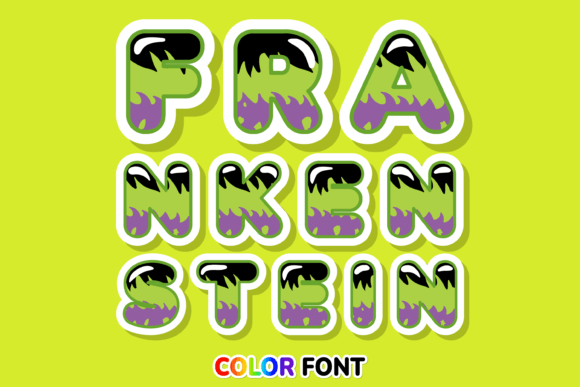
When you first encounter the Frankenstein typeface, you realize it’s not just a font—it’s an entire mood. In a market saturated with standard black-and-white typography, this color font stands out immediately. It brings a vibrant, hand-painted aesthetic that feels both vintage and energetic. If you have been searching for a way to inject personality into your headers or logos without spending hours in Adobe Illustrator drawing custom vectors, Frankenstein offers a ready-made solution that captures attention instantly.
The visual character of this font is defined by its rough, textured edges and multicolored fills. It mimics the look of aged paint or distressed ink, giving your text a tactile quality that flat fonts simply cannot achieve. Because it utilizes OpenType-SVG technology, the color and texture are embedded directly into the vector file. This means you get that complex, layered look right out of the box. It is a premium font designed for impact, making it an ideal display font for projects where legibility at small sizes is less important than visual punch. Whether you view it as a serif font with a grunge twist or a unique handwritten font style, its personality is unmistakable.
Real-World Applications for a Bold Typeface
The utility of Frankenstein extends far beyond Halloween-themed invitations. For small business owners and entrepreneurs, this typeface is a powerful tool for brand identity. Imagine using it for the main logo of a craft brewery, a record store, or a streetwear brand. The font’s gritty texture communicates authenticity and a "do-it-yourself" attitude. It suggests that your brand has character and history. In packaging design, Frankenstein can turn a generic label into a shelf-stopper. It works exceptionally well for products that want to convey a rustic, organic, or rebellious vibe.
For content creators and marketers, the digital applications are vast. Social media graphics need to stop the scroll, and a vibrant creative font like Frankenstein does exactly that. Use it for Instagram stories, YouTube thumbnails, or podcast cover art to create an immediate visual hook. It is also highly effective in editorial design. If you are working on a magazine cover or a poster for a music festival, this font provides the visual hierarchy needed to separate the headline from the subtext. It screams for attention in the best way possible, ensuring your message is read first.
Mastering Font Pairings and Visual Hierarchy
One of the most common mistakes designers make with bold display fonts is overusing them. Frankenstein is a powerhouse, but it requires balance to maintain readability. You should avoid using this font for body text or long paragraphs; the eye will fatigue quickly, and the intricate details will muddy up at small sizes. Instead, reserve Frankenstein for H1 headers, logos, and pull quotes. This approach creates a strong visual hierarchy, guiding the viewer's eye from the most important information down to the supporting details.
The key to successful font pairing with Frankenstein is contrast. Because Frankenstein is textured, colorful, and complex, you should pair it with a clean, neutral companion. A geometric sans serif font is often the perfect match. The clean lines of a sans serif will not compete with Frankenstein’s texture, allowing the display font to shine. Alternatively, a simple, legible script font can work for subheadings if you want to maintain a handcrafted feel, provided the script is not too ornate. This balance ensures your modern typography layout feels professional rather than chaotic.
Technical Considerations and Workflow
Before incorporating Frankenstein into your workflow, it is crucial to understand the technical specifications to ensure a smooth design process. As noted, this is an Opentype-SVG font. This specific technology allows for the inclusion of high-fidelity color data and transparency within the font file itself. It is a game-changer for web design and digital asset creation, but it does come with specific software requirements.
Frankenstein is fully compatible with industry-standard software including PhotoShop, Illustrator, and Inkscape. It also works well with Silhouette for those involved in vinyl cutting and crafting. However, it is vital to note that standard OTF or TTF versions of this font are not compatible with Cricut machines. For crafters and hobbyists, this distinction is important. If you are designing for print, ensure you are using a raster-based program like Photoshop to preserve the color data. If you attempt to use this font in a vector-only environment that does not support OpenType-SVG, you may lose the color information.
Evaluating Fit for Your Next Project
When deciding if Frankenstein is the right choice, consider the tone of your project. This typeface leans heavily into a specific aesthetic that is energetic, vintage, and slightly chaotic. If your goal is to convey sterile minimalism or corporate seriousness, this might not be the best fit. However, for projects requiring warmth, creativity, and a human touch, it is unmatched.
Here is a quick checklist for evaluating if you should use this font:
- Brand Alignment: Does your brand voice speak to creativity, rebellion, or handmade quality?
- Medium: Will the final product be viewed digitally or printed at a large scale?
- Software: Do you have access to PhotoShop or Illustrator to handle the SVG data?
- Contrast: Do you have a clean sans serif font ready to pair with it for body copy?
Ultimately, Frankenstein is more than just a decorative element; it is a design asset that adds immediate value to your toolkit. By understanding its strengths in logo design, packaging design