Babe: The Decorative Font That Brings Whimsy to Modern Design
In the crowded landscape of modern typography, finding a typeface that genuinely connects with an audience can be a challenge. You need something that stands out but remains approachable. This is where the Babe font enters the conversation. It is not just another script font; it is a carefully crafted decorative typeface designed to inject personality and charm into your creative projects. Whether you are a small business owner looking to refresh your packaging or a content creator aiming to make your social media graphics pop, Babe offers a distinct voice that feels both nostalgic and fresh.
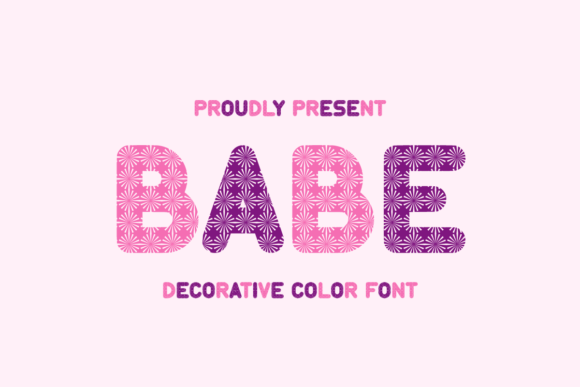
The visual character of Babe is defined by its soft, rounded edges and a distinctly friendly demeanor. Unlike harsh geometric sans serif fonts or overly formal serif fonts, Babe mimics the organic flow of hand-lettering. It possesses a playful rhythm that avoids looking messy, striking a balance that is difficult to achieve in design assets. The letterforms are designed to interlock or stand alone with equal grace, making it a versatile choice for various applications. It feels personal, like a note from a friend, which is a powerful tool in branding and marketing. When a brand uses a font like Babe, it immediately signals approachability and warmth, softening the corporate edge that many small businesses struggle to overcome.
Where the Babe Typeface Shines Brightest
Understanding where to deploy a decorative font is just as important as selecting the font itself. Babe is a premium font choice for projects where emotional connection is the primary goal. It excels in packaging design, particularly for artisanal goods, beauty products, or children's items. Imagine a handcrafted soap label or a boutique bakery box; the Babe typeface fits these environments naturally, reinforcing the product's handmade quality and care. It transforms a simple sticker or label into a memorable brand touchpoint.
Beyond physical goods, Babe is a powerhouse for digital content. In the realm of social media graphics, where attention spans are short, this font acts as a visual hook. It is perfect for quote cards, Instagram stories, and header images on lifestyle blogs. Because it is a display font, it commands attention when used at larger scales. For entrepreneurs and marketers, using Babe in email headers or promotional banners can soften the "sales" feel of a message, making the content feel more like an invitation than a demand. It is also an excellent choice for book covers, especially in the romance, self-help, or children’s genres, where the typography needs to set an emotional tone before the reader even turns the first page.
Influence on Brand Perception and Hierarchy
Typography is the voice of your brand identity, and the Babe font speaks a language of creativity and sincerity. When integrated into a logo design, it can help a new business establish a friendly face in the market. However, effective use requires an understanding of visual hierarchy. Because Babe has such a strong personality, it is best used for headlines, sub-headers, and call-to-action text rather than long-form body copy. Pairing it with a clean, legible sans serif font for paragraph text is a classic strategy. This font pairing allows Babe to handle the emotional heavy lifting while the secondary font ensures readability and professionalism.
The psychological impact of using a creative font like Babe should not be underestimated. Fonts carry connotations. A rigid serif font might imply tradition and authority, but Babe implies innovation, friendliness, and creativity. For a designer or publisher, this typeface offers a way to break away from the sterile, corporate look that dominates much of the web. It helps in building recognition; when customers see that distinct, lovable lettering repeatedly, they begin to associate those positive feelings with your content or products.
Practical Guide to Implementing Babe in Your Projects
Before incorporating Babe into your next project, it is vital to evaluate the fit. Ask yourself if the tone of your content matches the font's personality. If you are designing a legal contract or a medical report, Babe is obviously the wrong choice. But if you are designing a wedding invitation, a podcast cover, or a menu for a cafe, it is an ideal candidate. Always test the font in context. Place the Babe typeface on your mockups early in the design process to see how it interacts with your color palette and imagery.
When working with this premium font, pay close attention to spacing and size. Decorative fonts often require manual kerning adjustments to look their best, especially in logo design. Ensure that the letters have enough breathing room so the design doesn't feel cluttered. Furthermore, check the licensing details. Since Babe is a commercial font, understanding the license terms is crucial for ensuring your usage—whether for a client’s branding or your own merchandise—is fully compliant. This level of professionalism protects your work and supports the type designers who create these valuable tools.
Final Thoughts on Creative Typography
In the end, the tools you choose define the quality of your output. The Babe font is more than just a collection of glyphs; it is a design asset that facilitates storytelling. By leveraging its unique style, you can create designs that feel human, engaging, and distinct. Whether you are crafting a brand identity from scratch or refreshing existing marketing materials, incorporating a character-rich font like Babe can be the catalyst that elevates your work from standard to exceptional. It proves that in the world of design, being cute and lovely is not just an aesthetic—it is a strategy.