Island Map: A Modern Display Font with Tropical Soul
When a design calls for more than just legible text—when it needs to evoke a specific mood, a feeling of escape—typography becomes your most powerful tool. Enter Island Map, a premium font that doesn't just spell out words; it transports you. This isn't your typical serif font or a simple sans serif. It's a creative font with a distinct personality, born from the sleek lines of modern design and the organic, relaxed vibe of a tropical island. For designers, marketers, and creators looking to inject a project with contemporary style and an undeniable sense of place, understanding this typeface is key.
Visual Character: Sleek Lines Meet Organic Flow
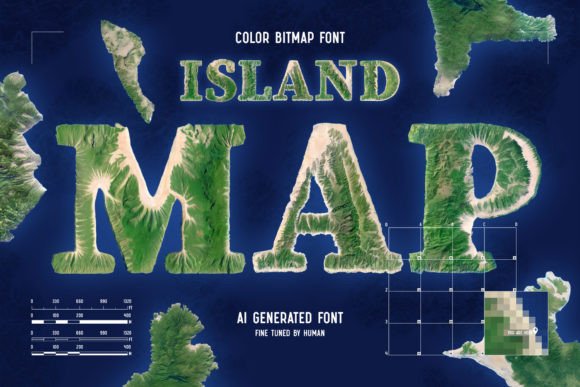
At its core, Island Map is a display font, meaning it's crafted for headlines, logos, and impactful statements rather than long paragraphs of body copy. Its visual DNA is a fascinating blend of the geometric and the fluid. You'll notice the letterforms are built on a foundation of clean, modern typography—think sharp angles and confident strokes. Yet, there's an intentional irregularity, a subtle organic quality that prevents it from feeling sterile. This duality is its strength. It feels simultaneously professional and approachable, structured yet free-spirited.
The personality of this typeface is unmistakably contemporary with an exotic flair. It avoids the clichés of overly ornate script fonts or rustic handwritten fonts. Instead, it captures the essence of island life through abstraction: the curve of a wave, the silhouette of a palm frond, the clean geometry of a modern beachside villa. This makes it an exceptionally versatile asset. It can feel luxurious and high-end for a resort brand, or energetic and youthful for a travel influencer's social media graphics. The key is its ability to suggest rather than shout, leaving room for your own creative interpretation.
Strategic Applications: Where Island Map Truly Shines
Knowing what a font looks like is one thing; knowing where to deploy it is where strategy meets execution. Island Map excels in scenarios where brand identity and audience engagement are paramount. Its strength lies in setting a tone quickly and memorably.
For logo design, this typeface is a standout choice. A logo built with Island Map immediately communicates a brand's core values—whether that's adventure, relaxation, innovation, or luxury. Consider a boutique hotel, a surfwear line, or a sustainable seafood brand. The font's unique shapes become an integral part of the mark, ensuring high recognition and distinctiveness in a crowded marketplace. It moves a brand from being just another option to becoming a destination.
Beyond the logo, its applications are vast:
- Editorial and Packaging Design: Magazine feature headers, book titles for travel or lifestyle genres, and product packaging for artisanal goods benefit immensely. It adds a layer of sophistication and narrative to the physical or digital page.
- Digital and Social Media: In the fast-scrolling world of web design and social media, first impressions are made in milliseconds. Island Map used in hero banners, Instagram story templates, or YouTube thumbnails can stop the scroll, creating a cohesive and compelling visual language that audiences remember.
- Branding Collateral: From business cards to website headers and promotional posters, using Island Map consistently across touchpoints reinforces brand perception. It helps build a professional and curated aesthetic that signals attention to detail.
Practical Guidance for Implementation
Integrating any new font into your workflow requires more than just liking its style. It requires thoughtful evaluation and testing to ensure it serves the project's goals effectively.
Evaluating Fit and Readability
First, assess the project's tone. Does it call for a voice that is modern, adventurous, and slightly unconventional? If the answer is yes, Island Map is likely a strong candidate. However, always prioritize readability. Because it's a display typeface, its primary role is in large-scale applications. Test it at the size it will be viewed. A headline that looks stunning in a design file must remain clear and impactful on a mobile screen or a printed poster.
Mastering Font Pairing
No font is an island (pun intended). The true power of a creative font like Island Map is realized in how it pairs with others. The golden rule of font pairing is contrast with harmony. Pair Island Map with a simple, neutral sans serif font for body text. A clean sans serif like Montserrat, Lato, or Open Sans can provide a perfect, legible counterbalance, allowing the display font to command attention without causing visual chaos. Avoid pairing it with another strong, decorative script font or a traditional serif font that might compete for dominance.
Licensing and Assets
Before finalizing, review the font's licensing. Is it offered as a commercial font suitable for client work, merchandise, and digital products? Check what's included in the package: are there multiple weights, stylistic alternates, or extended language support? These design assets can significantly expand your creative flexibility. For instance, stylistic alternates might offer different versions of key letters, allowing you to fine-tune the look for a specific logo or headline.
Ultimately, Island Map is more than just a collection of glyphs. It's a design solution for creators who want to imbue their work with a specific, evocative atmosphere. By understanding its character, applying it strategically, and implementing it with technical care, you can leverage this modern typography to build more engaging, recognizable, and professional brands and projects. It’s an invitation to explore a new creative territory, one where style and substance coexist beautifully.