Hip Hip Yay: Bringing Joyful Energy to Every Design
Finding a typeface that genuinely captures attention without feeling aggressive is a significant challenge in modern typography. Many fonts scream for attention, but few manage to do so with a smile. This is where Hip Hip Yay enters the conversation. It is not just another display font; it is a distinct visual voice designed to inject personality and excitement into your projects. For designers, entrepreneurs, and content creators looking to break away from the monotony of standard sans serif fonts and predictable serif fonts, this typeface offers a refreshing alternative that bridges the gap between professional polish and playful energy.
Visual Personality and Style
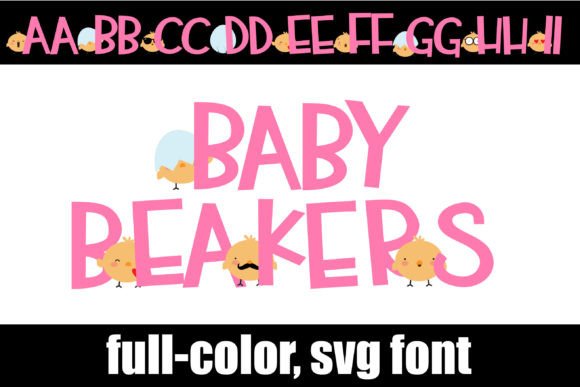
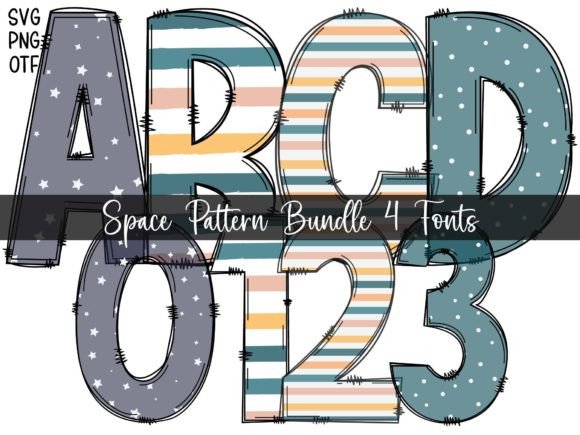
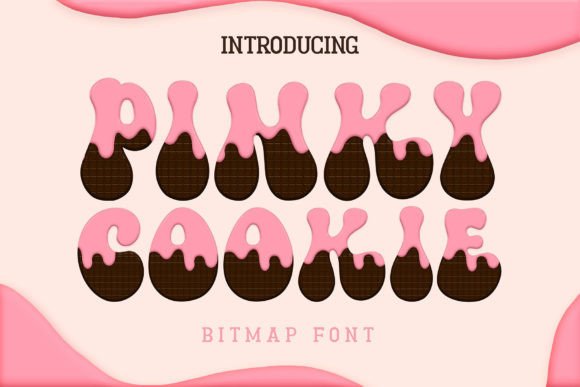
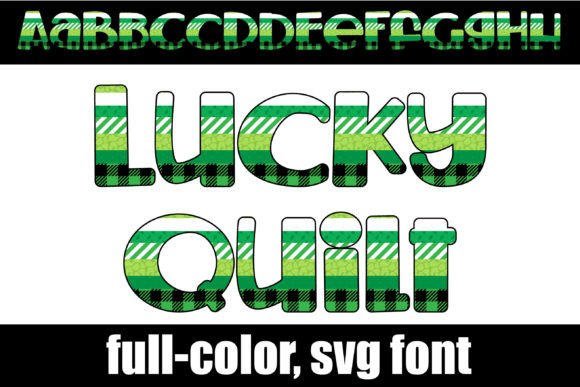
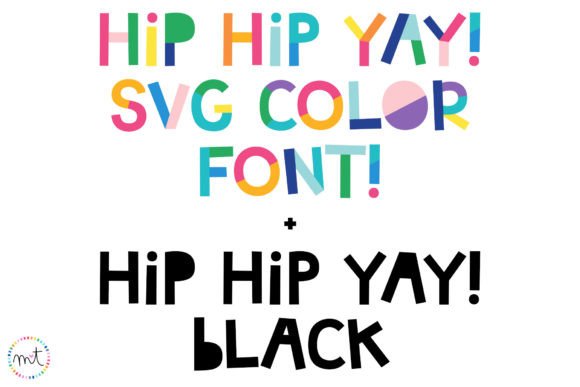
At its core, Hip Hip Yay is a color font, which sets it apart from the traditional black-and-white typefaces found in most standard design assets. This technology allows the font to carry gradients, textures, and multiple colors within a single glyph, creating a three-dimensional effect that pops off the screen or page. Visually, the style leans heavily into a bold, quirky aesthetic. It avoids the rigidity of geometric shapes in favor of softer, more organic forms that feel approachable and fun.
The personality of this typeface is unmistakably upbeat. It does not take itself too seriously, yet it maintains a level of sophistication that prevents it from looking childish. Think of it as the visual equivalent of a confetti cannon—celebratory and vibrant. This makes it an excellent choice for projects where the goal is to evoke happiness, excitement, or a sense of celebration. When you use Hip Hip Yay, you are essentially telling your audience that something fun is happening here. It creates an immediate emotional connection that dry, corporate fonts often fail to achieve.
Strategic Applications for Creatives and Brands
Understanding where to deploy a creative font like this is just as important as choosing it in the first place. Because it is a display font, it functions best in contexts where short bursts of text carry the most weight. Long-form body copy is not its forte, but for headlines, titles, and hero sections, it is incredibly effective.
For logo design, Hip Hip Yay can serve as the foundation for a brand that wants to position itself as energetic and modern. This is particularly relevant for businesses in the lifestyle, food, children’s products, or entertainment sectors. A bakery, a party supply store, or a lifestyle blog could use this typeface to build an entire brand identity that feels cohesive and inviting.
In the realm of editorial design and packaging design, the font shines when used for magazine covers or product labels. Imagine a limited-edition snack wrapper or a seasonal magazine cover; the use of a color font immediately signals that this is a special edition. It transforms the text from mere information into a decorative element. Similarly, in web design, it can be used sparingly for call-to-action buttons or section headers to guide the user’s eye without overwhelming the layout.
For social media graphics, where attention spans are short and competition for visual space is fierce, Hip Hip Yay provides a distinct advantage. It stops the scroll. Whether you are creating Instagram stories, YouTube thumbnails, or Pinterest pins, the bold nature of this typeface ensures your message is seen immediately. It is also a fantastic tool for bloggers and content creators who want to establish a recognizable visual style across their platforms.
Practical Guidance on Implementation and Pairing
While the aesthetic appeal is strong, practical application requires a strategic approach. One of the most critical aspects of working with a bold, quirky typeface is font pairing. Because Hip Hip Yay is so visually distinct, it pairs best with neutral, clean backgrounds and complementary typefaces. If you pair it with another ornate script font or a complex handwritten font, the result can be chaotic and difficult to read.
A safe and effective strategy is to combine it with a clean sans serif font for body text. The neutrality of a sans serif allows the display font to take center stage without creating visual conflict. For example, using a light-weight geometric sans serif for your paragraphs creates a beautiful contrast that guides the reader through the hierarchy of information. The display font captures the emotion, while the sans serif delivers the details.
Readability and Hierarchy
Readability is paramount. Even with the most beautiful premium font, if the audience cannot read the message, the design fails. Hip Hip Yay is designed for impact, so it works best at larger sizes. When used for titles, ensure there is enough contrast between the text and the background. If the font includes complex color variations, avoid placing it on top of busy images unless you add a subtle overlay or shadow to separate the text from the background noise.
Visual hierarchy is another key consideration. Use this font to establish the primary focal point. Your H1 headers or main callouts should be where Hip Hip Yay lives. Everything else should recede. This creates a clear path for the eye, making your design feel organized rather than cluttered. It forces you to be intentional about what you want your audience to read first.
Evaluating Project Fit and Licensing
Before committing to a typeface for a major project, it is wise to evaluate the specific needs of the job. Ask yourself: Does this brand voice match the energy of the font? A law firm or a medical institution might find this font too casual, whereas a wedding invitation service or a tech startup might find it perfect. It is about context.
Furthermore, when working with a commercial font, always review the licensing terms. Hip Hip Yay is a professional asset, and respecting the licensing ensures you have the rights to use it in commercial products, merchandise, or client work. Check if the license covers web fonts, app usage, or physical goods if that is your intention.
It is also worth exploring the full character set. High-quality display fonts often come with alternates, ligatures, and special glyphs that can add even more flair to your typography. Taking the time to explore these features can elevate your work from "using a font" to "custom typography."
Transforming the Ordinary
The true value of Hip Hip Yay lies in its ability to transform the mundane into the memorable. We are surrounded by generic text every day. When a brand or a designer chooses to use a color font like this, they are making a deliberate choice to stand out. It is a tool for differentiation.
For small business owners, this can be a game-changer. You might not have the budget for a bespoke illustration for every marketing campaign, but a strong typographic choice can do much of the heavy lifting. It adds a layer of professionalism and creativity to flyers, business cards, and banners that standard system fonts simply cannot provide.
Ultimately, Hip Hip Yay is more than just a set of letters; it is a design statement. It invites participation and celebration. Whether you are crafting a title for a new blog post, designing a poster for a local event, or branding a new product line, this font offers a unique way to communicate with your audience. It proves that typography doesn't have to be static or serious—it can be dynamic, colorful, and yes, even fun. By integrating this creative font into your toolkit, you equip yourself to handle projects that require a lighter touch and a bolder voice.