Harlequin: A Color Font for Bold Designers
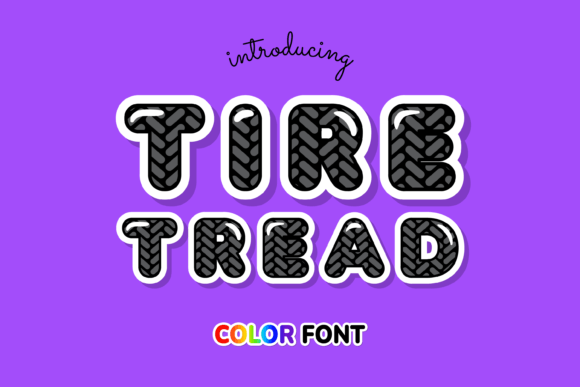
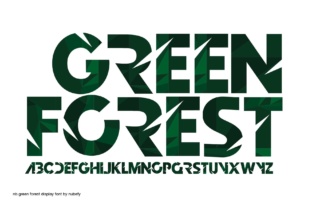
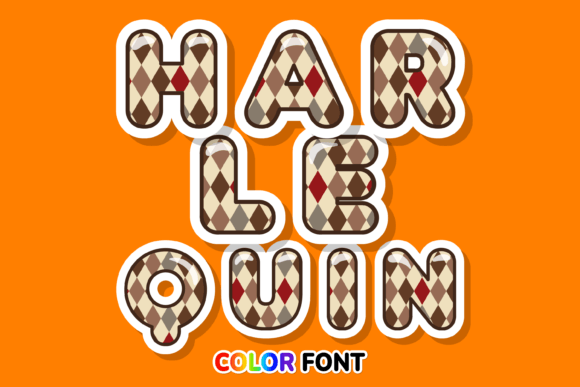
There's a moment in every creative project where you need a typeface that doesn't just sit there—it performs. Harlequin is that performer. This isn't your standard black-and-white serif or sans serif font waiting for a color fill. Harlequin arrives as a fully realized premium font, a vibrant color font built on OpenType-SVG technology that brings intricate, multi-colored patterns directly into each glyph. Imagine a typeface where every letter carries its own mosaic of rich, jewel-toned hues, creating a visual texture that feels both sophisticated and playful. It's the kind of creative font that stops a scrolling thumb, makes a product label leap off the shelf, and transforms a simple invitation into a keepsake.
Where Harlequin Truly Shines
Understanding where a font like Harlequin belongs is key to using it effectively. Its ornate, patterned nature means it functions best as a display font—a headline grabber, a title treatment, a logo centerpiece. Think of it as the lead actor in your design's opening scene, not the supporting cast in a paragraph of body text.
In logo design and brand identity, Harlequin can establish a brand personality that is immediately memorable and full of character. A boutique bakery, a creative agency, an artisan jewelry maker, or a festival organizer could use this typeface to signal uniqueness and artistry from the very first glance. The visual complexity suggests a story, a heritage, or a meticulous craft behind the brand.
For packaging design, especially for products in gourmet food, cosmetics, or luxury goods, Harlequin adds a layer of perceived value. The color and pattern evoke a sense of indulgence and careful curation. Similarly, in editorial design—think magazine headlines, chapter titles in a special edition book, or event posters—this font commands attention and sets a specific, often whimsical or opulent, tone.
Digital applications are equally compelling. Social media graphics need to cut through a relentless stream of content. A Harlequin-styled quote graphic, announcement, or profile header can significantly boost engagement by offering visual richness that static fonts cannot. For web design, while it's not for body copy, it can be spectacular for hero section titles, promotional banners, or logo treatments on a homepage.
Making Harlequin Work for You: Practical Considerations
Adopting a creative font like Harlequin requires a bit of strategic thinking. First and foremost, readability is paramount. Its decorative, pattern-filled letters are best used at larger sizes where the intricate details are legible. Using it for a 12-point paragraph would render it unreadable. Always pair it with a clean, simple sans serif font or a straightforward serif font for body text to create a clear visual hierarchy and ensure your message is communicated without strain.
Evaluating project fit is your next step. Does the project's personality align with Harlequin's vibrant, detailed aesthetic? It's a fantastic match for projects celebrating creativity, joy, luxury, or tradition. It might be less suitable for a corporate law firm's annual report or a minimalist tech startup's UI, where clean lines and neutrality are prioritized.
When it comes to font pairing, contrast is your friend. A geometric sans serif like Montserrat or a classic serif like Garamond can provide a stable, readable foundation that lets Harlequin's headlines pop without visual competition. Avoid pairing it with other highly decorative script fonts or handwritten fonts, as the result can feel cluttered and confusing.
It's crucial to understand the technical side of this commercial font. As an OpenType-SVG color font, Harlequin is a specific type of design asset. It is compatible with applications that support this format, including Adobe Photoshop, Illustrator, Affinity Designer, and Inkscape. Important note: The OTF and TTF files are not compatible with Cricut machines or other basic cutting software that cannot process color font data. Always check the licensing for your intended use, especially for commercial projects like merchandise or client work, to ensure you have the appropriate rights.
Integrating a Statement Piece into Your Workflow
Think of adding Harlequin to your toolkit like acquiring a statement piece of art or a signature accessory. You don't use it everywhere; you use it where it will have the most impact. Start by testing it on a single project element—a title card, a product name, a single word in a poster. See how it interacts with your color palette, imagery, and other typographic elements.
The true value of a premium font like Harlequin lies in its ability to inject instant personality and professional polish into a project. For the entrepreneur, it means branding materials that look uniquely crafted. For the designer, it's a powerful tool for creating standout work. For the crafter, it elevates DIY projects into something special. It bridges the gap between a generic template and a custom-designed piece, saving time while delivering a high-end result.
In a landscape saturated with the same handful of free fonts, choosing a distinctive, high-quality typeface is a strategic decision. It speaks to an attention to detail and a commitment to quality that audiences, whether they're customers, readers, or followers, instinctively recognize. Harlequin isn't just a font; it's a design decision that says you value creativity and aren't afraid to show it.