Easter Color: More Than Just a Seasonal Typeface
There is a distinct moment in a design project when you realize the standard serif font or sans serif font isn't capturing the energy you need. You are working on a social media graphic for a flash sale, a header for a lifestyle blog, or perhaps a flyer for a community event, and the text feels too safe, too corporate, or simply too quiet. This is where the concept of an Easter Color aesthetic comes into play. It is not just about pastel palettes; it is about utilizing a specific display font style that embodies vibrancy, celebration, and immediate visual impact.
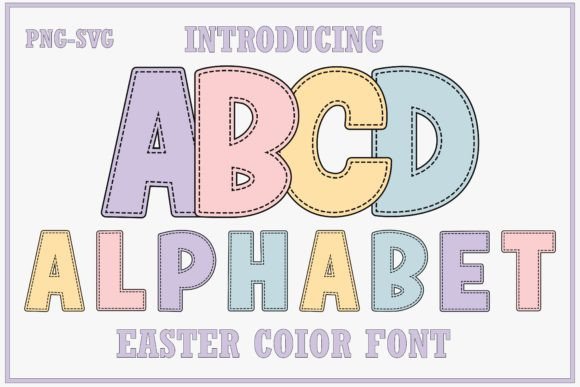
When we talk about an Easter Color typeface in the context of modern design assets, we are referring to a creative font that mimics the energy of the holiday itself—think fresh greens, bright yellows, and electric pinks. This style of typography is designed to add a burst of energy to your layouts. It is the visual equivalent of a confetti cannon. For designers, marketers, and content creators, this type of premium font offers a way to bypass the noise of standard digital content and speak directly to the viewer’s sense of fun and urgency.
The Psychology of Vibrant Typography
Why does an Easter Color font work so well for engagement? It comes down to psychological association. We associate these bright, saturated hues with positivity, growth, and celebration. In brand identity work, using a font that carries this visual weight can shift how a brand is perceived. A bakery, a children’s clothing line, or a festival organizer doesn't just want to be seen; they want to be felt. A handwritten font or a bold, bubbly display font in an Easter palette communicates approachability and joy far more effectively than a rigid geometric typeface.
However, the appeal isn't limited to industries that are explicitly "fun." Even in corporate settings, there are moments—like an internal newsletter about a charity drive or a spring wellness initiative—where an Easter Color font can soften the corporate shell and humanize the message. It is a tool for modern typography that signals a break from the mundane.
Visual Characteristics and Style
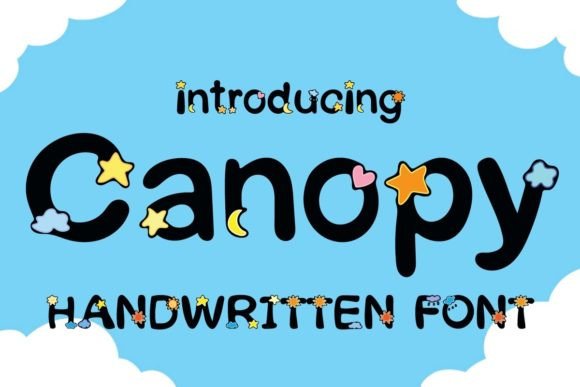
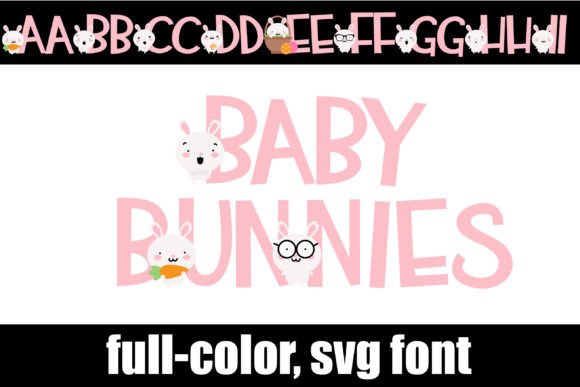
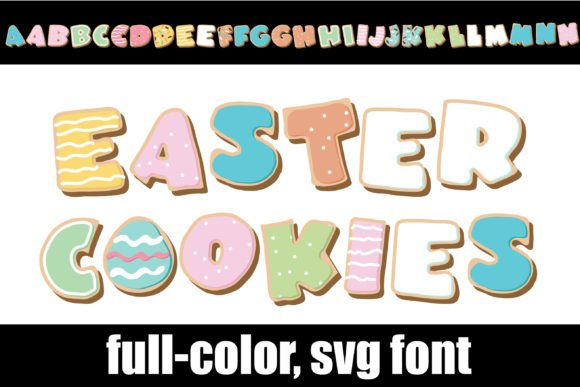
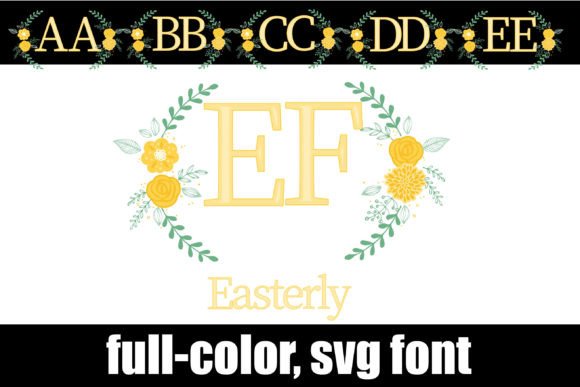
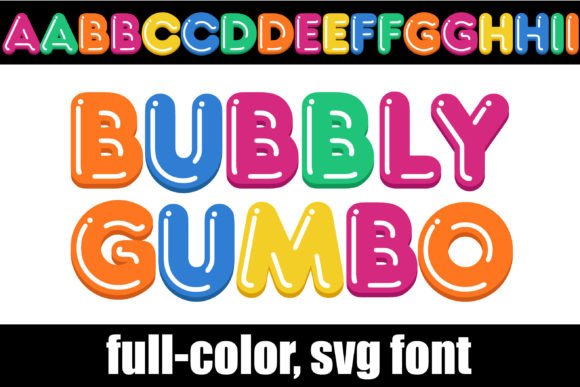
An Easter Color typeface is rarely subtle. Visually, these fonts often feature rounded terminals, irregular baselines, or decorative swashes that mimic the organic shapes of spring. You will often see these implemented as a script font or a bold sans-serif with soft edges. The defining characteristic is the color application. Unlike standard monochrome type, these are often used as "color fonts" where the vector data includes the gradient and hue information, or they are manually styled in post-production to mimic chocolate, jelly beans, or neon light.
The "personality" of such a font is inherently energetic. It refuses to sit quietly on the page. If you are using an Easter Color font for a headline, it acts as the anchor of the design. It draws the eye first, establishing a hierarchy that says, "Look here, this is the important part." This makes it an exceptional tool for logo design where instant recognition is paramount, particularly for seasonal campaigns or product launches.
Strategic Application in Real-World Projects
Knowing what the font looks like is one thing; knowing where to put it is the real challenge. The versatility of the Easter Color style allows it to shine across several distinct categories of creative work. It is not merely a seasonal gimmick; when used correctly, it becomes a powerful component of your visual arsenal.
1. Digital Marketing and Social Media
The digital space is crowded. On platforms like Instagram or TikTok, you have a fraction of a second to stop a user from scrolling. An Easter Color font used in social media graphics creates an immediate focal point. The high contrast between a bright, colorful headline and a darker or neutral background can significantly increase click-through rates. It is particularly effective for:
- Sale Announcements: Conveying urgency and excitement.
- Event Invitations: Setting a festive tone immediately.
- Content Headers: Breaking up long-form content on platforms like Pinterest.
2. Packaging and Product Design
For entrepreneurs and small business owners, packaging design is often the first physical touchpoint with a customer. Using an Easter Color typeface on product labels—especially for limited edition runs or seasonal flavors—can elevate the perceived value of the product. It suggests that the product inside is special and curated. A premium font in this style can make a simple jar of jam or a scented candle look like a luxury gift item.
3. Editorial and Web Design
While you wouldn't use a decorative Easter Color font for body text (readability would plummet), it is a powerhouse for editorial design and web design. Think of the pull quotes in a magazine spread or the hero section of a landing page. By pairing a bold, colorful display type with a clean, neutral body copy (like a standard sans-serif), you create a dynamic visual hierarchy. This guides the reader's eye naturally from the headline down to the details.
Technical Considerations and Best Practices
Adopting an Easter Color font requires a bit more finesse than dropping in Arial or Helvetica. Because these fonts are designed to be high-impact, they come with specific constraints that every designer and creator should respect to maintain professionalism and readability.
Readability vs. Aesthetics
The golden rule with any display font or script font is legibility. An Easter Color typeface is designed for short bursts of text—headlines, sub-headers, and logos. If you try to write a paragraph with it, you will fatigue your reader’s eyes. Always pair your vibrant headline font with a highly legible sans serif font or serif font for the body copy. This contrast is not just functional; it is aesthetically pleasing, allowing the decorative elements to shine without overwhelming the message.
Font Pairing Strategies
When working with a bold, colorful typeface, your supporting cast needs to be the "straight man." If your Easter Color font is chaotic and bubbly, pair it with a structured, geometric sans-serif. If the Easter font is a flowing, elegant script font, pair it with a classic serif to ground it. The goal is balance. You want the energy of the Easter font to be channeled, not chaotic.
- Bold & Playful: Pair a rounded, colorful display font with a clean sans-serif like Montserrat or Lato.
- Elegant & Festive: Pair a colorful script font with a traditional serif like Garamond or Times New Roman.
- Modern & Edgy: Use a neon-style color font with a monospaced typeface for a tech-meets-fun vibe.
Licensing and File Formats
If you are sourcing an Easter Color font for commercial use—whether for a client's brand identity or your own merchandise—always verify the license. A commercial font license ensures you have the legal right to use the design in profit-generating projects. Additionally, check the file format. Modern color fonts often come in OpenType-SVG format, which supports gradients and textures within the font file itself. Ensure your software (like Adobe Photoshop, Illustrator, or newer versions of Canva) supports these formats before purchasing.
Conclusion: Making the Bold Choice
In a world of minimalist black-and-white trends, choosing an Easter Color aesthetic is a conscious decision to stand out. It is about injecting personality, warmth, and excitement into your visual communication. Whether you are a crafter designing invitations, a marketer building a campaign, or a publisher looking to refresh a layout, this style of modern typography offers a unique solution. It reminds us that design can be joyful. By carefully selecting your font pairings and respecting the context of the medium, you can leverage the vibrant power of Easter Color to create designs that are not only seen but truly remembered.