Cute Heart: A Charming Typeface for Romantic Designs
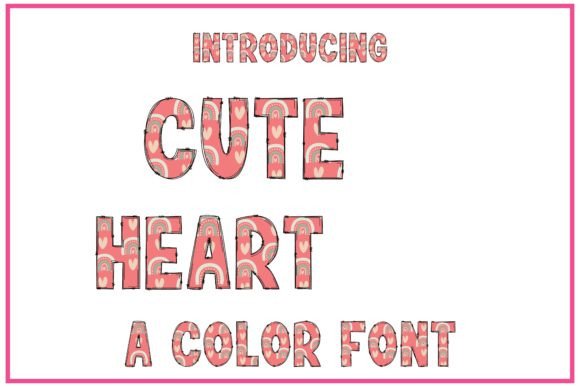
There’s a certain magic in a design that feels genuinely personal. It’s the difference between a generic greeting card and one that makes someone pause and smile. Often, that magic lives in the details, especially in the typography. The Cute Heart typeface is one of those details—a premium font that doesn’t just display letters but infuses them with personality. At its core, it’s a script font with a sweet, romantic character, but that simple description hardly does it justice. Imagine the elegant loops of a handwritten font meeting the playful charm of a doodle; that’s the heart of this design. Its strokes flow with a casual confidence, suggesting a human touch behind every curve. The visual style leans into warmth and affection, making it a natural choice for projects where emotion is the main message. It’s not trying to be a workhorse sans serif font or a traditional serif font; it’s a specialized tool for adding a heartfelt, charming touch.
Where This Sweet Typeface Truly Shines
Understanding a font’s personality is the first step. Knowing where to apply it is where strategy meets creativity. The versatility of Cute Heart is one of its greatest strengths, allowing it to move fluidly between personal projects and professional branding. Its sweet aesthetic makes it a standout choice for specific applications where warmth and approachability are key.
For logo design and brand identity, this typeface works wonders for businesses that want to convey care, creativity, and a personal connection. Think boutique bakeries, custom gift shops, wedding planners, florists, or children’s clothing brands. Using Cute Heart in a logo or on packaging immediately sets a friendly, artisanal tone. In editorial design, it can transform a magazine headline or a blog post title, especially in lifestyle, romance, or crafting niches. It draws the eye without shouting, creating a welcoming entry point into the content.
In the digital space, this creative font is perfect for social media graphics. A quote about love, a special announcement, or a sale promotion for a handmade goods store gains an instant emotional boost. Its legibility at various sizes makes it adaptable for Instagram stories, Pinterest pins, or Facebook ads. For web design, it’s best used sparingly for headlines, calls-to-action, or decorative elements, paired with a clean, readable body font. This approach adds visual interest without compromising the user experience.
Of course, its roots in romantic and celebratory projects are undeniable. Cute Heart is a natural fit for wedding invitations, save-the-dates, and vow books. It brings a cohesive, elegant sweetness to all the design assets for a wedding suite. Similarly, for Valentine’s crafts, anniversary cards, or love letters, it provides the perfect typographic voice. The key is matching the font’s inherent cheerfulness with the project’s intent—it’s less suited for formal corporate reports but ideal for anything meant to spark joy and connection.
Practical Guidance for Using Cute Heart Effectively
Choosing a font is just the beginning. Using it well is what elevates a design from good to great. Before committing Cute Heart to a project, run through a quick evaluation. Does the project’s tone align with the font’s sweet, romantic personality? A children’s party invitation is a perfect match; a legal disclaimer is not. This alignment ensures the typography supports the message rather than conflicting with it.
Next, consider font pairing. A display font like this rarely works alone for body text. The goal is to create a harmonious contrast. Pair it with a neutral, highly legible sans serif font like Montserrat or Lato for body copy. This combination lets the personality of Cute Heart stand out in headlines while maintaining readability for longer paragraphs. For a more classic feel, a simple, clean serif font can also provide a stable foundation. Always test the pairing in context—view it on a screen and, if possible, in print to check spacing and overall visual balance.
Check the included styles and features of the font package. A quality commercial font often includes multiple weights, alternates, or ligatures. These extras can add significant value and flexibility. Alternates allow you to customize the look of certain letters, ensuring your design feels unique. Understanding these features helps you use the typeface to its full potential and maintain consistency across all your materials.
Readability is paramount. While Cute Heart is designed for impact, its decorative nature means it should be used thoughtfully for crucial information. Avoid setting long sentences or small body text in it. Instead, use it for short headlines, logos, or pull quotes. At larger sizes, its charming details are clear and effective. At smaller sizes, it may lose legibility, which is why pairing it with a simpler font for body text is a professional best practice.
Finally, always verify the licensing. If you’re using it for a client project, merchandise, or any commercial venture, ensure you have the correct commercial font license. Respecting licensing protects you legally and supports the designers who create these valuable modern typography assets. By following these practical steps, you can leverage Cute Heart not just as a decorative element, but as a strategic tool to enhance visual hierarchy, strengthen brand perception, and connect with your audience on an emotional level. It’s more than a typeface; it’s a way to make your designs feel genuinely heartfelt.